

Amidst the plethora of fitness trends, the science-backed practice of lifting heavy weights remains a pinnacle of effective exercise programs. Beyond the visible muscle gains, delving into the scientific and medical aspects reveals a tapestry of reasons why lifting heavy weights, or lifting heavy “stuff,” is a cornerstone of achieving optimal health and fitness.
1. Neuromuscular Adaptations and Muscle Fiber Recruitment

Lifting heavy weights triggers intricate neuromuscular adaptations that span from the brain to the muscle fibers. High-intensity resistance training, like heavy lifting, requires the central nervous system to recruit a larger number of motor units within your muscles. This recruitment leads to increased muscle fiber activation, enhancing both strength and muscle growth. Over time, the nervous system becomes more efficient at coordinating these muscle contractions, resulting in improved overall performance.
2. Hormonal Responses and Anabolic Environment

Heavy lifting is a potent stimulator of anabolic hormones, including testosterone and growth hormone. These hormones play pivotal roles in muscle protein synthesis, the process through which your muscles repair and grow. The stress placed on muscles during heavy lifting prompts the release of these hormones, fostering an environment that supports muscle development and tissue repair. This not only contributes to muscle growth but also aids in recovery, reducing the risk of overtraining.
3. Bone Density and Osteoporosis Prevention
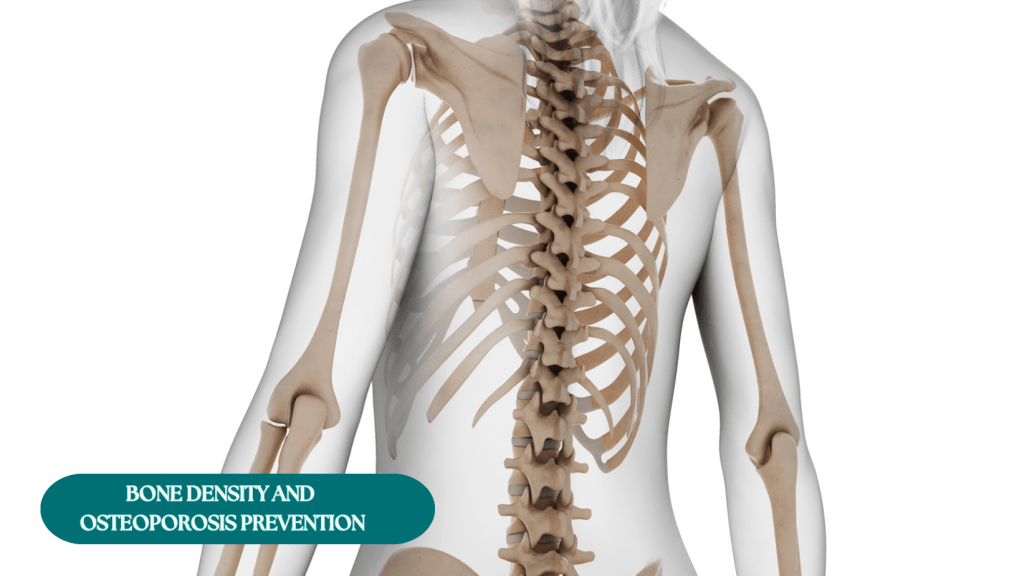
The mechanical loading imposed by lifting heavy weights holds profound implications for bone health. Bones adapt to external stresses by becoming denser and stronger. Weight-bearing exercises, particularly heavy lifts like squats and deadlifts, promote an increase in bone mineral density, reducing the risk of fractures and osteoporosis. This is especially crucial as we age when bone density tends to decrease naturally.
4. Metabolism, Insulin Sensitivity, and Fat Loss

The metabolic impact of lifting heavy weights extends beyond muscle development. The high-intensity nature of heavy lifting leads to increased energy expenditure during and after workouts. This, in turn, improves insulin sensitivity, making your body more efficient at utilizing glucose and reducing the risk of type 2 diabetes. Furthermore, the heightened metabolic rate after a heavy lifting session contributes to fat loss by promoting calorie burn even during periods of rest.
5. Joint Stability and Injury Prevention

Contrary to concerns, lifting heavy weights, when executed with proper form, can actually enhance joint stability and reduce the risk of injuries. Strengthening the muscles around joints through heavy lifting provides a protective cushion, reducing the impact on ligaments and tendons during physical activities. Moreover, the focus on proper technique cultivates body awareness, promoting better movement patterns that translate into daily activities.
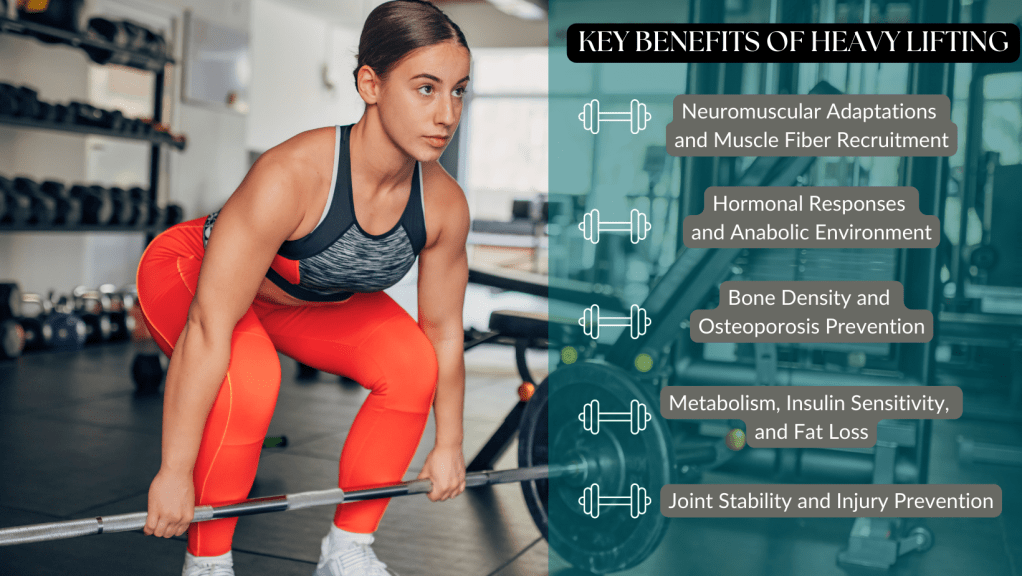
Incorporating heavy lifting into your exercise routine requires meticulous planning and a focus on safety. Beginners should prioritize proper technique over heavy loads and gradually progress as strength improves. Consulting with a healthcare professional or certified personal trainer can ensure a tailored approach that aligns with individual goals and physical capabilities.
In summary, the scientific underpinnings of lifting heavy weights unveil a tapestry of benefits ranging from neuromuscular adaptations and hormonal responses to improved bone health, metabolism, and injury prevention.
As you embark on your fitness journey, embracing the challenge of lifting heavy weights not only enhances physical prowess but also reflects a commitment to long-term health and well-being.
 Steve Lofton
Leave a comment