

In the golden years of the baby boomer generation, it’s crucial to channel energy and passion into what truly matters.
Here’s how to learn to care—really care—about the things that set your soul on fire, even as a baby boomer.
1. Identify Your Passions
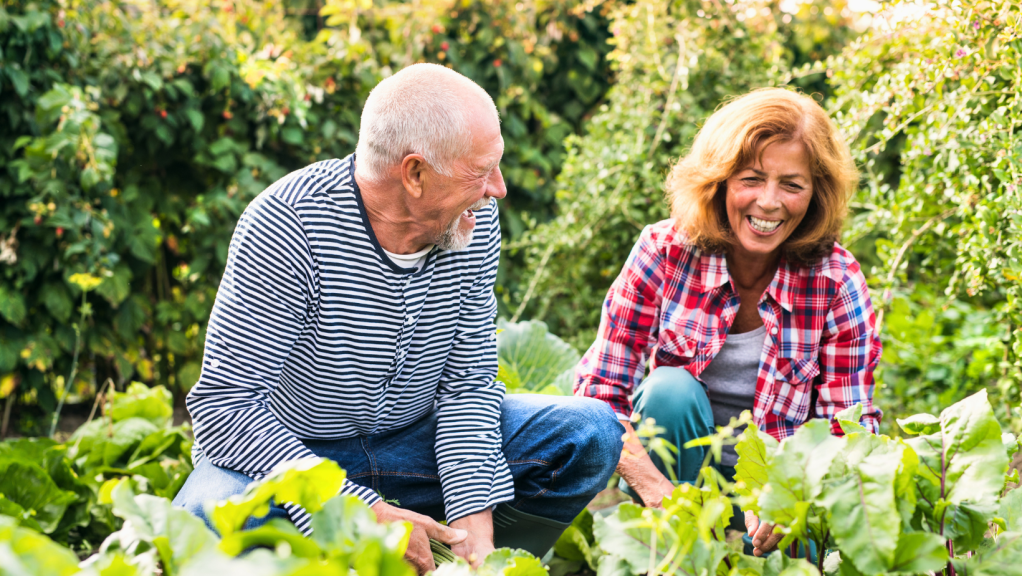
First and foremost, take the time to reflect on what brings you joy, fulfillment, and a sense of purpose. This could be anything from gardening, volunteering, art, or even a newfound hobby. The key is to identify activities that resonate with your core values and make you feel alive. According to a study in the *Journal of Positive Psychology*, engaging in activities that align with personal interests and values can significantly enhance well-being in older adults[^1].
2. Prioritize Your Health

Caring deeply about your passions means caring for your health to enjoy these activities fully. This includes physical health, through regular exercise and nutrition, and mental health, by managing stress and seeking emotional support when needed. The Centers for Disease Control and Prevention (CDC) emphasizes the importance of regular physical activity for older adults, highlighting its role in preventing chronic diseases and improving mental health and cognitive function[^2].
3. Cultivate Meaningful Relationships
Relationships can be a source of joy, support, and enrichment. Prioritize relationships that nurture your soul and align with your passions. Whether it’s reconnecting with old friends, spending quality time with family, or meeting new people with similar interests, these connections can enhance your life in profound ways. Research indicates that strong social connections can improve health and increase longevity[^3].
4. Embrace Lifelong Learning

Never stop learning. Whether it’s taking up a new hobby, learning a new language, or exploring new cultures, lifelong learning can fuel your passions and keep your mind sharp. The National Institute on Aging suggests that engaging in intellectually stimulating activities can help maintain cognitive function as you age[^4].
5. Give Back
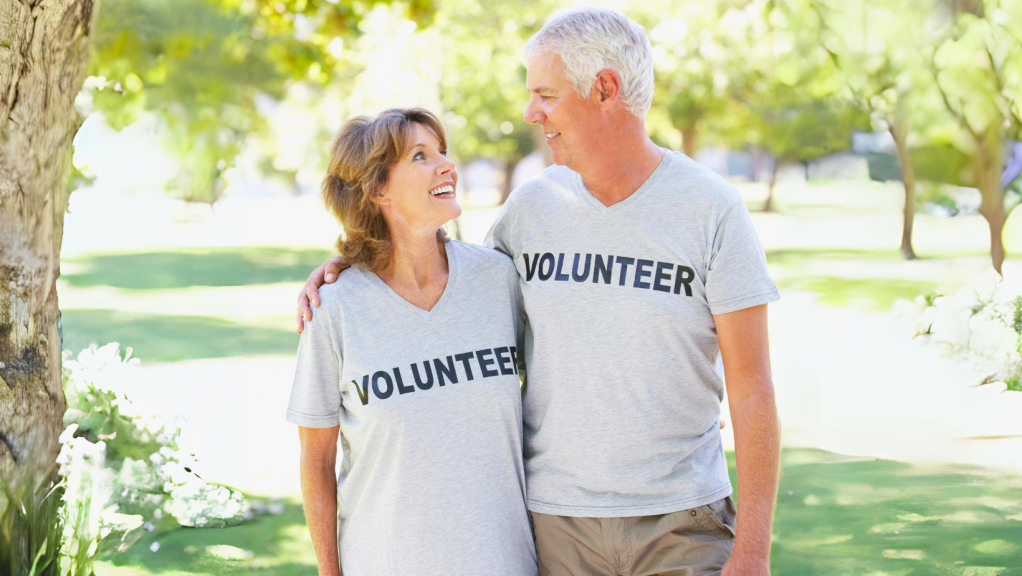
Find ways to give back that align with your passions. Volunteering for causes you care about can provide a sense of purpose and fulfillment. Whether it’s environmental conservation, mentoring youth, or supporting local arts, giving back is a powerful way to care deeply about your community and the world around you. Studies show that volunteering can have positive effects on mental health and well-being in older adults[^5].
6. Practice Mindfulness

In a world that’s constantly rushing, taking the time to practice mindfulness can help you focus on what truly matters. Mindfulness can enhance your appreciation for the present moment, deepen your connection to your passions, and improve your overall well-being. Research in the field of psychology has found that mindfulness practices can reduce stress, improve emotional regulation, and increase resilience[^6].
In conclusion, learning to care—really care—about what sets your soul on fire is a journey of self-discovery, health, connection, learning, giving, and presence. As a baby boomer, focusing on these areas can lead to a more fulfilling and passionate life, marked by deep care for the things that truly matter.
—
[^1]: *Journal of Positive Psychology*, “Engagement in personally meaningful activities and well-being,” 2018.
[^2]: CDC, “Physical Activity for Older Adults,” [https://www.cdc.gov/physicalactivity/basics/older_adults/index.htm](https://www.cdc.gov/physicalactivity/basics/older_adults/index.htm).
[^3]: National Institute on Aging, “Social Activities and Health,” [https://www.nia.nih.gov/health/social-activities-and-health](https://www.nia.nih.gov/health/social-activities-and-health).
[^4]: National Institute on Aging, “Cognitive Health and Older Adults,” [https://www.nia.nih.gov/health/cognitive-health-and-older-adults](https://www.nia.nih.gov/health/cognitive-health-and-older-adults).
[^5]: *The Gerontologist*, “Volunteering and Health Benefits in General Adults: Cumulative Effects and Forms,” 2017.
[^6]: *American Psychological Association*, “The Benefits of Mindfulness,” [https://www.apa.org/topics/mindfulness/benefits](https://www.apa.org/topics/mindfulness/benefits).
 Steve Lofton
Leave a comment