

Liquid collagen has been making waves in the wellness community, especially among those of us keen on maintaining youthful vigor and supporting our bodies as we age. But what’s the science behind this sought-after supplement? Let’s break it down into bite-sized, easy-to-digest points, so you don’t need a PhD to understand why it’s become a staple in many health routines.
1. What is Collagen?
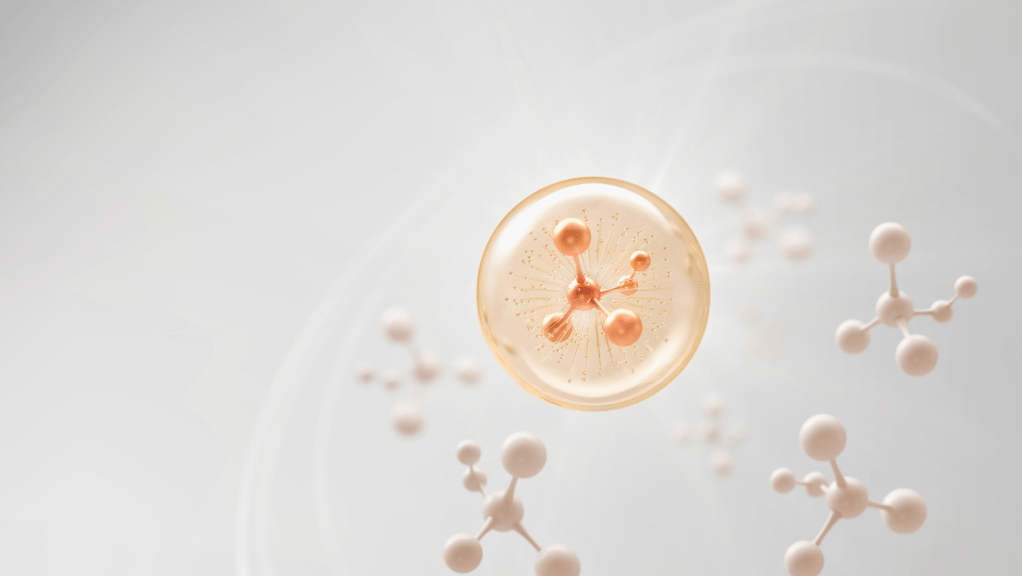
Collagen is the most abundant protein in our bodies, acting as the glue that holds everything together. It’s found in bones, muscles, skin, and tendons, where it provides strength and elasticity.[^1]
2. The Natural Decline

As we age, our body’s collagen production naturally declines. This can lead to common signs of aging, such as wrinkles, sagging skin, and joint pains. This is where the idea of supplementing with collagen comes into play—to slow down or even reverse these effects potentially.[^2]
3. Liquid Collagen vs. Powdered Forms
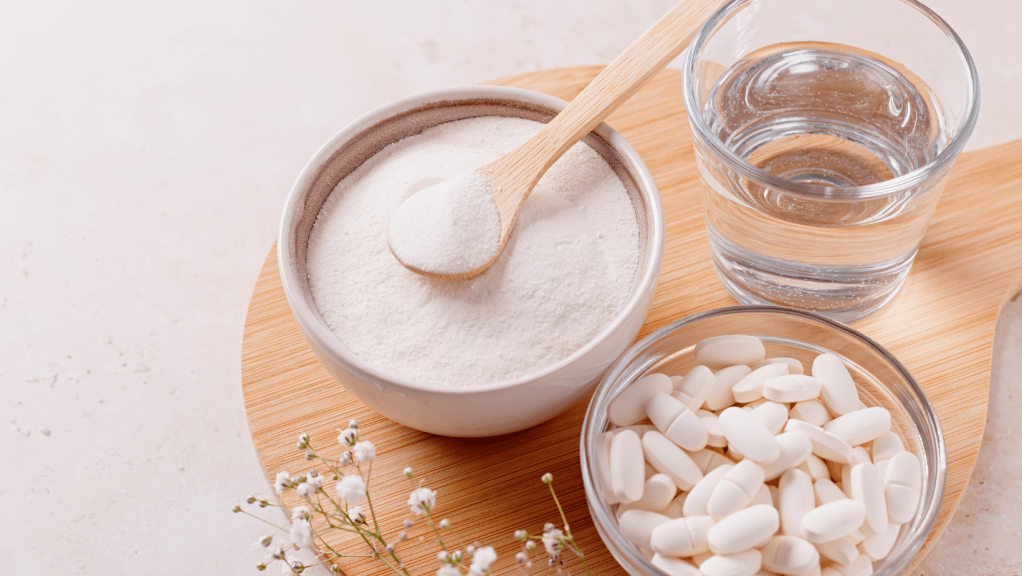
Liquid collagen is thought to be more easily absorbed by the body compared to its powdered counterparts. This is due to its hydrolyzed form, meaning the collagen has been broken down into smaller, more digestible pieces.[^3]
4. Absorption and Bioavailability

Studies suggest that hydrolyzed collagen, particularly in liquid form, has a higher bioavailability. This means that it can be absorbed more efficiently by the body, making it potentially more effective in supporting collagen levels.[^4]
5. Benefits for the Skin

One of the most touted benefits of liquid collagen is its ability to improve skin health. Research has shown that collagen supplementation can increase skin elasticity, hydration, and density, which are all fancy ways of saying it can help your skin look younger and healthier.[^5]
6.Joint and Bone Health

It’s not just skin deep—liquid collagen can also play a crucial role in joint and bone health. By helping to restore the body’s collagen levels, it can reduce joint pain and prevent bone density loss, making it a valuable supplement for those not as young as we used to be.[^6]
7. Muscle Mass and Strength

For the active among us, liquid collagen can support muscle mass and strength. Collagen contains amino acids that are essential in building muscle tissue, making it a great addition to a post-workout routine.[^7]
8. The Bottom Line

While the science of liquid collagen is complex, the takeaway is simple: supplementing with liquid collagen can support various aspects of health and well-being, from improving skin appearance to enhancing joint and muscle function. It’s a testament to the saying that sometimes, the best solutions are the ones nature provides.
In conclusion, liquid collagen is more than just a trend; it’s a science-backed supplement that can offer tangible benefits. Whether you’re looking to turn back the clock on aging or support your body’s natural functions, it’s worth considering as part of your daily regimen. Remember, though, it’s always best to consult with a healthcare professional before starting any new supplement.
[^1]: Proksch, E., Segger, D., Degwert, J., Schunck, M., Zague, V., & Oesser, S. (2014). Oral supplementation of specific collagen peptides has beneficial effects on human skin physiology: a double-blind, placebo-controlled study. Skin Pharmacology and Physiology, 27(1), 47-55.
[^2]: Zdzieblik, D., Oesser, S., Baumstark, M. W., Gollhofer, A., & König, D. (2015). Collagen peptide supplementation in combination with resistance training improves body composition and increases muscle strength in elderly sarcopenic men: a randomized controlled trial. British Journal of Nutrition, 114(8), 1237-1245.
[^3]: Asserin, J., Lati, E., Shioya, T., & Prawitt, J. (2015). The effect of oral collagen peptide supplementation on skin moisture and the dermal collagen network: evidence from an ex vivo model and randomized, placebo-controlled clinical trials. Journal of Cosmetic Dermatology, 14(4), 291-301.
[^4]: Clark, K. L., Sebastianelli, W., Flechsenhar, K. R., Aukermann, D. F., Meza, F., Millard, R. L., … & Albert, A. (2008). 24-week study on the use of collagen hydrolysate as a dietary supplement in athletes with activity-related joint pain. Sports Medicine, Arthroscopy, Rehabilitation, Therapy & Technology, 4(1), 17.
[^5]: Proksch, E., Schunck, M., Zague, V., Segger, D., Degwert, J., & Oesser, S. (2014).
[^6]: Bruyère, O., Zegels, B., Leonori, L., Rabenda, V., Janssen, A., Bourges, C., & Reginster, J. Y. (2012). Effect of collagen hydrolysate in articular pain: a 6-month randomized, double-blind, placebo-controlled study. Complementary Therapies in Medicine, 20(3), 124-130.
[^7]: Oertzen-Hagemann, V., Kirmse, M., Eggers, B., Pfeiffer, K., Marcus, K., de Marées, M., & Platen, P. (2019). Effects of 12 weeks of resistance exercise and collagen peptide supplementation on body composition, muscle strength, body water, and tendons. International Journal of Sports Medicine, 40(09), 578-586.
 Steve Lofton
Leave a comment