
1. Balance Your Macronutrients

Balancing carbohydrates, proteins, and fats is crucial for maintaining long-term health. A balanced diet supports metabolic health, muscle strength, and cardiovascular health. Experts recommend a mix of high-quality proteins, complex carbohydrates, and healthy fats to promote longevity.
2. Prioritize Plant-Based Foods
Studies consistently show that diets rich in fruits, vegetables, nuts, seeds, and whole grains are associated with reduced risks of chronic diseases and extended lifespan. Plant-based foods are high in essential nutrients and antioxidants that protect cells from damage.^[Mayo Clinic]

3. Increase Omega-3 Fatty Acids

Omega-3 fatty acids, found in fish like salmon and sardines, and in flaxseeds and walnuts, are essential for heart health and have anti-inflammatory properties. Regular consumption of omega-3s is linked to reduced rates of cardiovascular disease, one of the leading causes of death among older adults.^[American Heart Association]
4. Add Fermented Foods for Gut Health
Fermented foods like yogurt, kefir, sauerkraut, and kombucha contain probiotics, which help maintain a healthy gut microbiome. A robust gut microbiome is linked to better immune function, improved digestion, and reduced risk of numerous diseases.^[International Scientific Association for Probiotics and Prebiotics]

5. Stay Hydrated

Hydration is often overlooked but is essential for maintaining kidney function and regulating body temperature. The general guideline is to drink eight 8-ounce glasses of water a day, but needs can vary based on activity level and health.^[U.S. National Academies of Sciences, Engineering, and Medicine]
6. Limit Sugar and Processed Foods
High intake of sugar and processed foods is linked to higher risks of obesity, heart disease, and diabetes, all of which can shorten your lifespan. Limiting these foods can help maintain a healthy weight and reduce disease risk.^[Centers for Disease Control and Prevention]

7. Ensure Adequate Fiber Intake
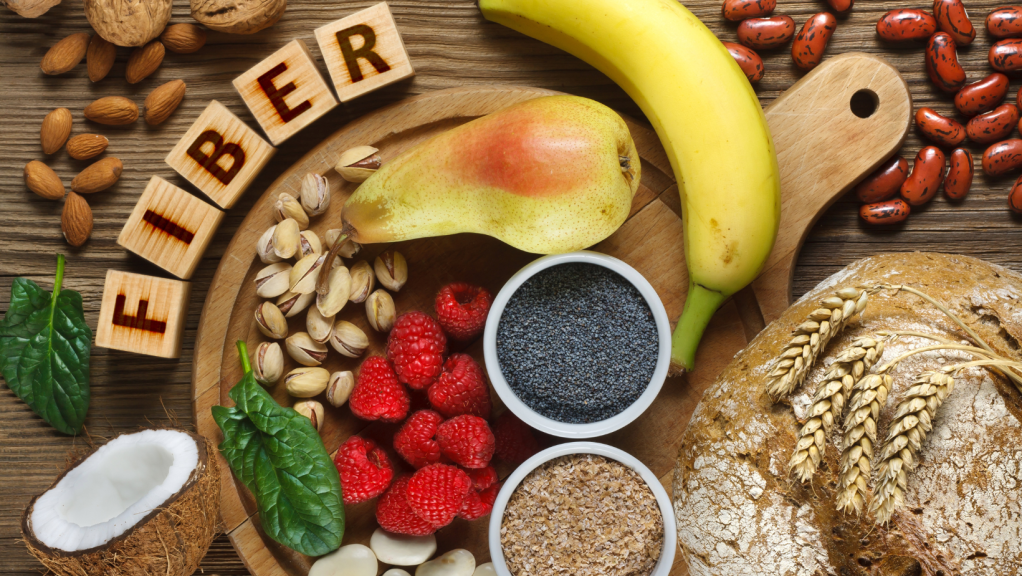
Fiber plays a key role in weight management, controlling blood sugar levels, and improving cardiovascular health. Foods rich in fiber include beans, whole grains, fruits, and vegetables. Adults should aim for at least 25-30 grams of fiber per day.^[American Heart Association]
8. Moderate Caloric Intake
Caloric restriction has been associated with longevity in various studies. By consuming fewer calories while maintaining a nutritionally balanced diet, you can potentially slow the aging process and extend lifespan. However, it’s essential to consult with a healthcare provider before making significant changes to caloric intake.^[National Institute on Aging]

Incorporating these nutrition tips into your daily regimen can lead to improved health and potentially a longer, more vibrant life. While genetics and lifestyle factors also play significant roles, proper nutrition offers a powerful tool for enhancing longevity. Always consider consulting with a nutritionist or healthcare professional to tailor these guidelines to your personal health needs.
 Steve Lofton
Leave a comment