

Life has a way of surprising us when we least expect it. A few weeks ago, I found myself facing one of those moments—something I never thought would happen to me.
I had a stroke.
It was a non-debilitating stroke, thank God. My memory, speech, and mobility remained intact, but that doesn’t mean it wasn’t a serious wake-up call. After four decades on the road as a truck driver and all the long hours I put in, I knew I had to start making even more conscious decisions about my health.
Because here’s the truth: After one stroke, you’re at a much higher risk of having a second one. In fact, studies show the risk of having another stroke is around 23% within the first five years. That’s almost 1 in 4 people. I don’t know about you, but I’m not one to gamble with those odds.
So, what’s next?
I’m committed to sharing my journey with you—not just about recovering, but about how we can all prevent something like this from happening again. Because it’s possible. It just takes being proactive and making smart choices. If you’re in the same boat—whether you’ve had a stroke or want to avoid one—here are five things you can start doing today to lower your risk.
5 Ways to Prevent a Second Stroke
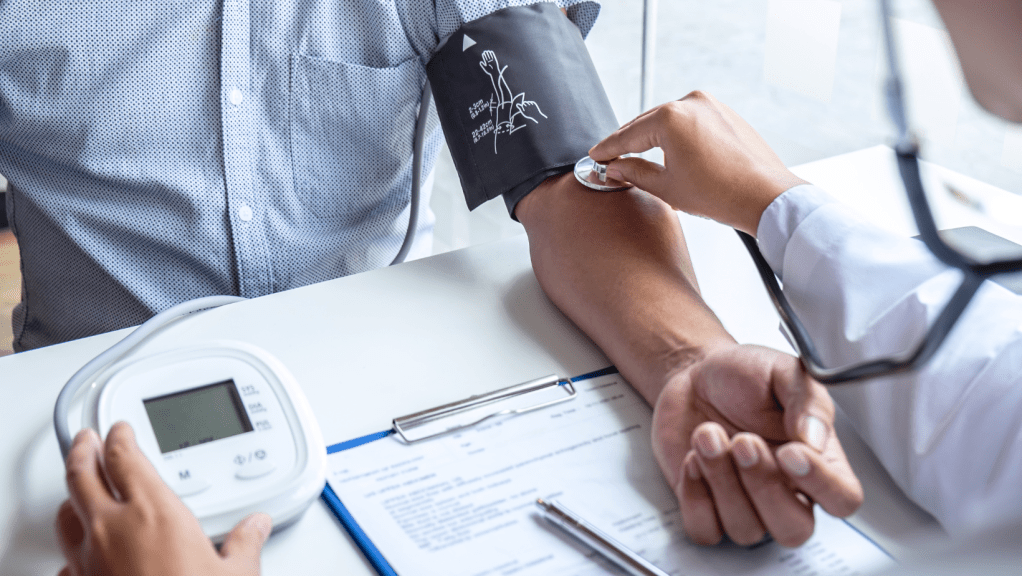
1. Manage Your Blood Pressure
High blood pressure is the number one risk factor for strokes. Keeping it under control—ideally below 120/80—can reduce your chances of a second stroke. Regular monitoring and staying on top of medications if needed can literally save your life.
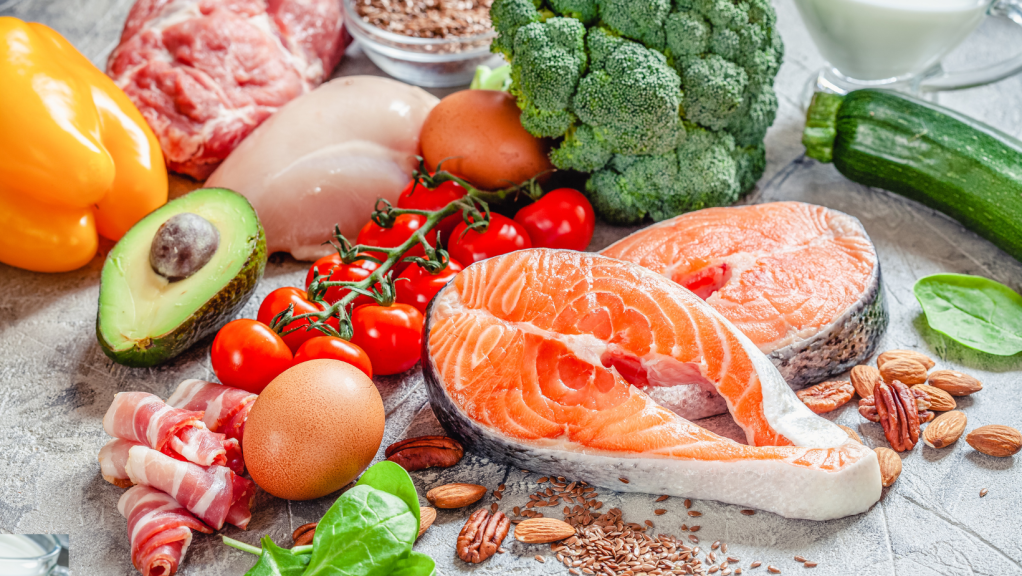
2. Adopt a Heart-Healthy Diet
What you eat has a huge impact on your vascular health. Focus on a diet rich in fruits, vegetables, whole grains, and lean proteins. I personally lean toward a high-protein, low-carb approach, which has helped me maintain better health and reduce inflammation.

3. Exercise Regularly
Movement is medicine. Even a simple walk every day can lower your risk of a second stroke. I’ve recently committed to a daily walking schedule to not only help with my recovery but also to strengthen my heart and keep my weight in check.
4. Take Your Medications as Prescribed
If you’re on medication after a stroke, don’t skip it. These are prescribed to lower your blood pressure, cholesterol, or prevent blood clots—each of which could prevent another stroke. Consistency is key.


5. Quit Smoking and Limit Alcohol
Smoking is a major stroke risk, and if you’re a smoker, quitting is one of the best things you can do for your heart and brain health. The same goes for alcohol—limiting it to no more than one drink per day can lower your risk.
Having a stroke is a life-changing event, but it’s also an opportunity to change the way you approach your health. I’ve committed to these changes because I don’t want to be part of that 23% statistic.
If you’ve gone through something similar, I’d love to hear your story. What are you doing to protect your health? How has your journey shaped your decisions? Let’s start a conversation—because when it comes to our health, we’re all in this together.
 Steve Lofton
Leave a comment