

As we age, staying active becomes more than just a goal—it’s a necessity for living a healthier, fuller life. For those of us between the ages of 55 and 65, it can feel like time is moving faster, and the idea of staying fit might seem more challenging. But what if something as simple as walking 10,000 steps a day could be the solution?
Here are eight reasons why walking 10,000 steps a day can truly transform your health and your life:
1. Boosts Heart Health

Heart disease is a top concern for people our age. Walking every day helps strengthen the heart, improves circulation, and lowers blood pressure. When you hit 10,000 steps, you’re giving your heart the workout it needs without feeling like you’re overdoing it. It’s gentle but effective.
2. Helps Maintain a Healthy Weight
Let’s be real—weight doesn’t come off as easily as it used to. Walking is one of the simplest ways to manage your weight and keep the extra pounds at bay. Walking 10,000 steps can burn about 400-500 calories, depending on your pace and body weight. That’s a solid contribution to staying fit without the need for intense workouts.

3. Strengthens Bones and Joints

At this stage in life, protecting our bones and joints is critical. Walking is a low-impact exercise that strengthens the muscles supporting our bones and joints, reducing the risk of arthritis and osteoporosis. Plus, it keeps you limber without putting unnecessary strain on your body.
4. Improves Mental Well-being
It’s no secret that mental health matters, especially as we transition into new phases of life. Walking has been shown to reduce stress, anxiety, and depression. Taking a daily walk, whether it’s around the neighborhood or in a local park, gives you time to think, reflect, or just enjoy some peace and quiet. Walking really does wonders for the soul.

5. Keeps Your Brain Sharp
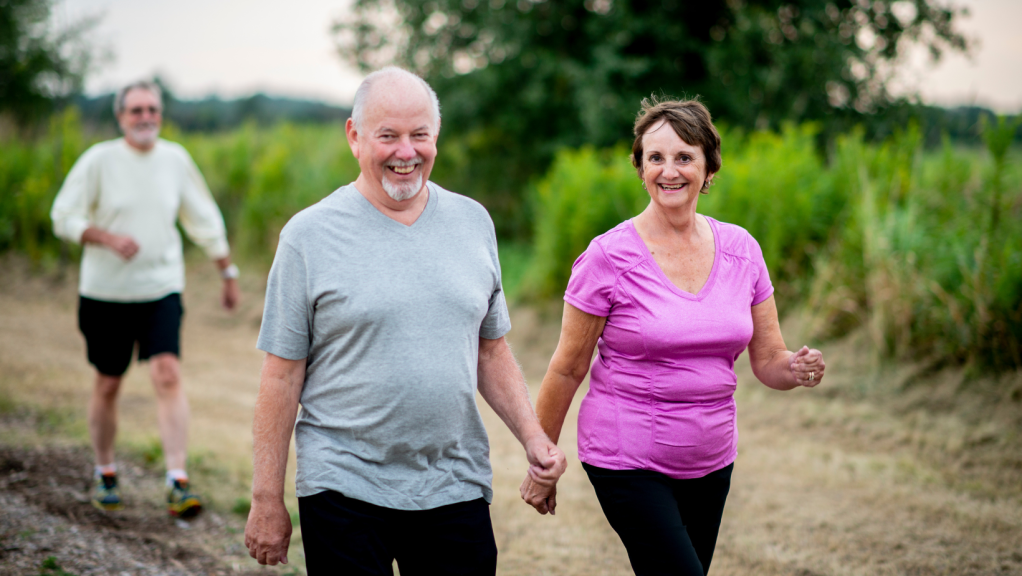
Walking doesn’t just benefit the body—it’s a powerful tool for keeping your mind sharp, too. Studies show that regular walking can reduce the risk of dementia and cognitive decline. By committing to 10,000 steps a day, you’re giving your brain the oxygen and blood flow it needs to stay alert and focused.
6. Supports Better Sleep
Struggling with sleep? Many people in their 50s and 60s report difficulty falling or staying asleep. Regular physical activity, like walking, helps regulate sleep patterns and improves the quality of your rest. Walking 10,000 steps during the day helps your body wind down naturally at night, leaving you refreshed and energized the next morning.

7. Connects You with Nature and Community

Walking is an easy way to spend more time outdoors, and we all know how good fresh air can be. Plus, it’s a great way to connect with your community—whether it’s a friendly wave to neighbors or a planned walk with a friend. These small social interactions can go a long way in keeping you connected and feeling part of something bigger.
8. Sets the Stage for Longevity
At the end of the day, walking 10,000 steps is about more than just the numbers—it’s about setting yourself up for a long, healthy life. Studies have shown that those who walk regularly live longer, healthier lives. Each step you take is an investment in your future—a future where you can spend more time with your loved ones, pursue your passions, and enjoy the freedom of good health.

Walking 10,000 steps a day isn’t about being perfect or pushing yourself to the extreme. It’s about taking control of your health, one step at a time, and recognizing that it’s never too late to make positive changes. So, put on those sneakers, take that first step, and remember that your health journey is just beginning.
 Steve Lofton
Leave a comment