
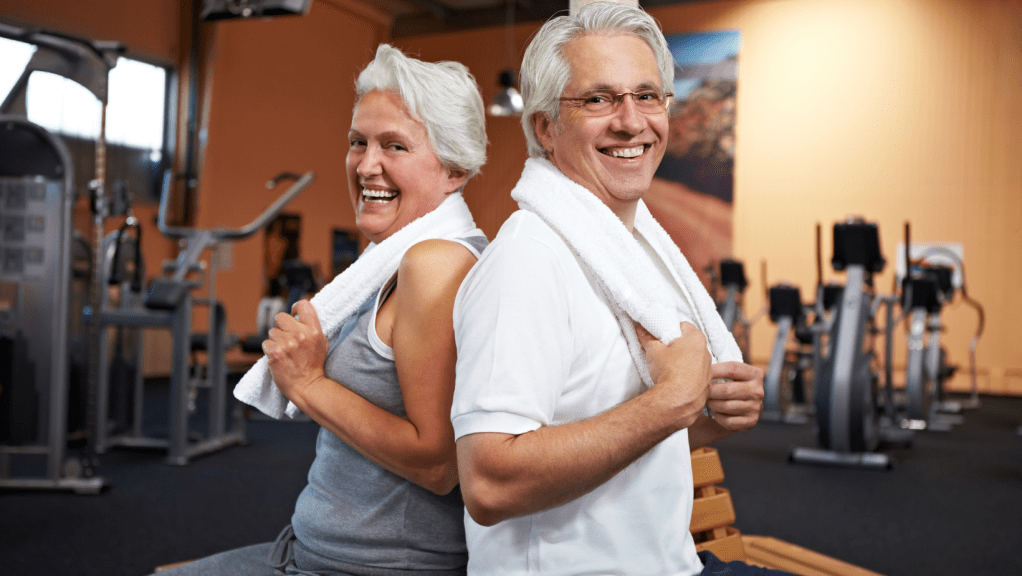
As we age, maintaining physical fitness becomes increasingly crucial for overall health, quality of life, and longevity. Many people mistakenly believe that fitness is only for the young, but the truth is that staying active after 50 can be transformative.
In this comprehensive guide, we’ll explore five compelling reasons why fitness should be a top priority for individuals in their 50s and beyond.
1. Maintain Muscle Mass and Prevent Age-Related Muscle Loss

After the age of 50, adults can lose up to 3% of their muscle mass each year if they don’t engage in regular strength training. This natural phenomenon, called sarcopenia, can lead to decreased mobility, increased risk of falls, and reduced independence. Resistance training and weight-bearing exercises are critical in combating muscle loss, helping you:
– Preserve muscle strength
– Improve balance and coordination
– Maintain metabolic health
– Support daily functional activities
2. Boost Mental Health and Cognitive Function
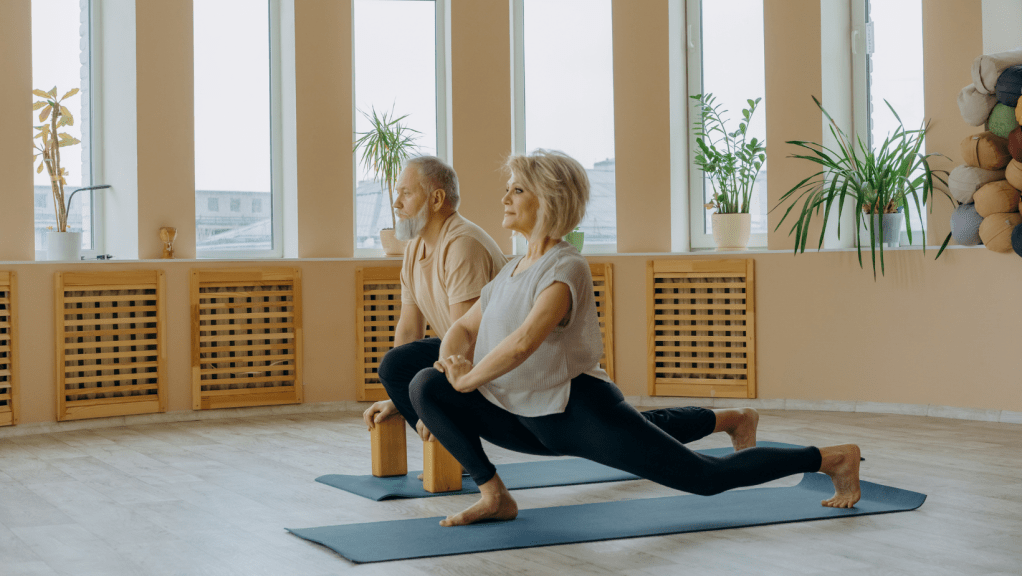
Physical activity is not just about body strength—it’s also a powerful tool for mental well-being. Regular exercise after 50 has been scientifically proven to:
– Reduce symptoms of depression and anxiety
– Enhance cognitive function and memory
– Lower the risk of neurodegenerative diseases
– Increase overall mood and emotional resilience
Engaging in activities like swimming, walking, yoga, or cycling can stimulate brain health and help maintain mental sharpness.
3. Manage Chronic Conditions and Prevent Disease

Staying fit is one of the most effective strategies for managing and preventing chronic health conditions that become more prevalent with age. Regular physical activity can:
– Lower blood pressure
– Improve insulin sensitivity
– Reduce the risk of heart disease
– Help manage diabetes
– Decrease inflammation in the body
Consult with healthcare professionals to develop a tailored fitness plan that addresses your specific health needs and conditions.
4. Enhance Bone Density and Prevent Osteoporosis

Bone health becomes increasingly important after 50, especially for women experiencing hormonal changes. Weight-bearing exercises and strength training can:
– Slow down bone density loss
– Reduce the risk of fractures
– Improve overall skeletal strength
– Enhance joint flexibility and mobility
Incorporate exercises like walking, weight lifting, and resistance band workouts to support bone health.
5. Improve Quality of Life and Maintain Independence

Fitness is ultimately about maintaining your independence and enjoying an active, fulfilling lifestyle. Regular exercise after 50 allows you to:
– Participate in recreational activities
– Travel and explore new experiences
– Spend quality time with family and grandchildren
– Maintain a sense of vitality and purpose
By investing in your physical fitness, you’re investing in your ability to live life to the fullest.
Conclusion: It’s Never Too Late to Start
Remember, fitness is a journey, not a destination. Whether you’re just beginning or returning to exercise after a break, it’s never too late to prioritize your health. Start slowly, listen to your body, and gradually increase intensity. Consult with healthcare professionals, consider working with a fitness trainer experienced in senior fitness, and most importantly, find activities you enjoy.
Your body is capable of remarkable things—give it the care and attention it deserves.
 Steve Lofton
Leave a comment